Birth Injury, Brain Injury and The Ockenden Review
Speak With An Advisor
Our in-house team and network of trusted professionals will help every step of the way.
Speak With An Advisor
Our in-house team and network of trusted professionals will help every step of the way.
An Overview of The Ockenden Review
On 24 June 2026, the final report of the Independent Maternity Review into Nottingham University Hospitals NHS Trust was published. It set out serious concerns about maternity care and described the impact on mothers, babies and families.
Donna Ockenden, who has spent more than 35 years working across a variety of health settings, worked with a multi-disciplinary team to review approximately 2500 family cases between 2012 and 2025.
The team found that, while under the Trust’s care, 520 mothers and babies experienced potentially avoidable harm. This included stillbirths, maternal deaths, severe types of brain injury, cerebral palsy and more. For families affected by birth injury, these findings show how failures in maternity care can have serious and lasting consequences for a baby’s brain health.

Birth Injury and Brain Injury
How Does Brain Injury Happen in Babies?
One of the most important ways to keep a baby’s brain healthy during the antenatal and perinatal stages (from the start of pregnancy to around the time of birth) is to make sure that it has a steady supply of oxygen and blood. This allows it to develop and function at a normal rate. If that supply is reduced or interrupted around the time of birth, even for a short period, a baby may become at risk of a brain injury.
There are many ways that this interruption could potentially happen, across all the stages of pregnancy and birth. One of them is through trauma, which a baby may be most susceptible to during delivery. For example, a baby’s shoulder could be impacted during labour, also known as shoulder dystocia, in a way that might cause interruption.
Interruption may also be brought on by pre-existing factors like maternal infection or abnormal blood pressure, which should be monitored carefully at early stages to minimise the risk of later birth complications.
Baby Harriet Hawkins
The review team led by Donna Ockenden made many upsetting discoveries in their investigation. One of these was around Harriet Hawkins, one of the babies who suffered a death because of poor maternity care.
A sudden hypoxic event took place within Harriet when she was already vulnerable. She had previously experienced prolonged labour and earlier signs of infection that were not monitored or dealt with properly by Nottingham maternity staff.
This hypoxic moment was fatal, but it wasn’t just a moment – it was the culmination of so many opportunities missed by the hospital to provide a standard level of care. The Ockenden Review team concluded that the tragedy would have been avoidable if the right intervention had been put into place.
Hypoxic-Ischaemic Encephalopathy in Pregnancy & Birth
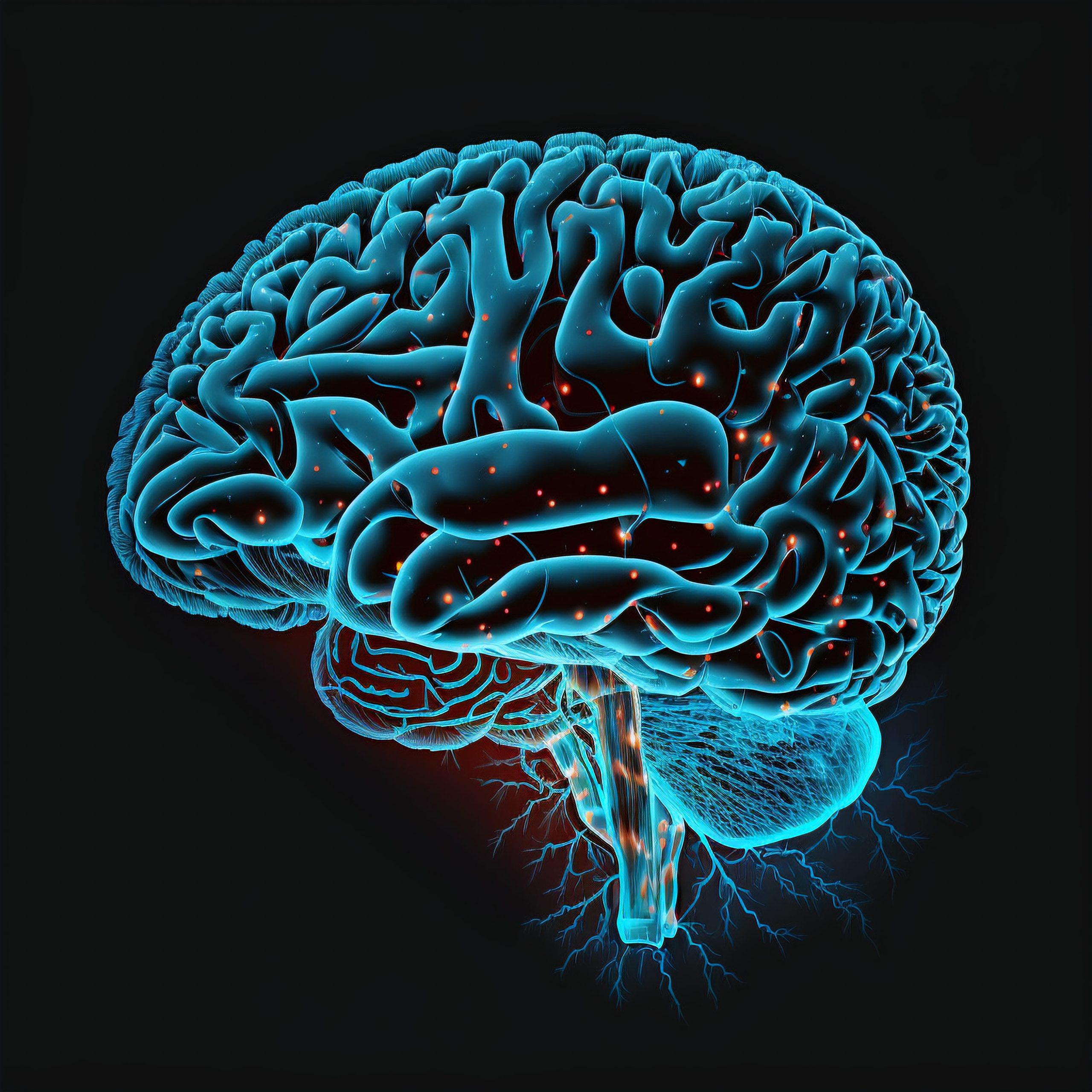
Hypoxic-ischaemic encephalopathy (HIE) is a serious acquired brain injury caused by a combination of reduced oxygen supply and inadequate blood flow to the brain.
The Ockenden Review identified 44 cases of mothers with HIE, with around two-thirds involving significant or major concerns about maternal care. The outcomes of HIE can vary widely, from no lasting impact to secondary, lifelong effects.
As the Nottingham city maternity review notes, “because brain injury can continue to evolve after the initial hypoxic insult, early recognition and treatment are essential.” The above statistic offers a reminder that the consequences of delayed recognition and failures to escalate care extend far beyond the birth itself.
Many families live with the permanent consequences of HIE, from cerebral palsy to epilepsy. Some people have only come forward since the publication of the Ockenden Review due to systemic failures in monitoring, communication and care in a number of UK hospitals.
The Importance of Intervention in Minimising Birth Injury
Delays in identifying and responding to complications were a recurring theme noticed by the Ockenden team. Timely intervention, like that which was tragically missing from the care of Harriet Hawkins, is crucial in potentially reducing the chance of birth complications and improving outcomes for both a mother and her baby.
Early Monitoring
There are many early checks that should be in place throughout pregnancy care. For example, ultrasound scans can give a clue to things like placenta and cord function, which, if not working normally, could potentially create opportunities for interruption in the blood or oxygen supply later down the line. Recognising these clues early on could reduce the risk of birth trauma and other complications.

A Baby’s Development
Early intervention matters because a baby’s brain has a remarkable capacity to adapt and develop.
A baby’s brain is not a rigid structure, thanks to its neuroplasticity. It functions a little like a self-building city – incredibly flexible and adaptive, creating new ‘roads’ or neural pathways with every new experience and learning. In this crucial stage of growth, certain kinds of support including behavioural and cognitive could have a significant bearing on neurodevelopment.
This means that while early treatment cannot undo every injury, it could potentially make a meaningful difference to a child’s development and, ultimately, a child’s quality of life.
Listening to Women and Families
Listening to women, parents and families is a fundamental part of safe maternity care. Whether concerns are raised during pregnancy, labour or after birth, they should be taken seriously, properly documented and investigated rather than dismissed.
Women and their families are often the first to notice changes in a mother’s health or a baby’s wellbeing. Creating a culture in which these concerns are heard and acted upon can lead to earlier intervention, quicker access to multidisciplinary care and, ultimately, better outcomes.
A Family Support Event in Nottingham
To take a step towards addressing the ongoing effects of the Ockenden Maternity Review, Brain Injury Group will be hosting an upcoming event at Nottingham Racecourse on 3rd November 2026. It will be a drop-in focused on bringing together people affected by the events at Nottingham University Hospitals NHS Trust. It will also be an opportunity to learn more about the support available.
You can find more information about it and register here.
How Brain Injury Group Can Help
If you or a loved one has been affected by a brain injury connected to pregnancy, labour or birth, you may be left with difficult questions about what happened and what support is available.
The findings of the Ockenden Review have highlighted the impact that delays, missed opportunities and failures in care can have on families. In some cases, this may raise concerns about whether a birth injury or trauma could have been avoidable or whether negligence played a role.
At Brain Injury Group, we help families access clear information, practical support and specialist guidance. Through our network of experienced professionals, including specialist brain injury solicitors, we can help you understand your options, access support and, where appropriate, explore a potential child birth injury claim.
Related News & Articles




Speak With An Advisor
Our in-house team and network of trusted professionals will help every step of the way.
