Motorcycle Brain Injuries | Recovery & Rehabilitation Support
Speak With An Advisor
Our in-house team and network of trusted professionals will help every step of the way.
Speak With An Advisor
Our in-house team and network of trusted professionals will help every step of the way.
What is a Motorcycle Brain Injury?
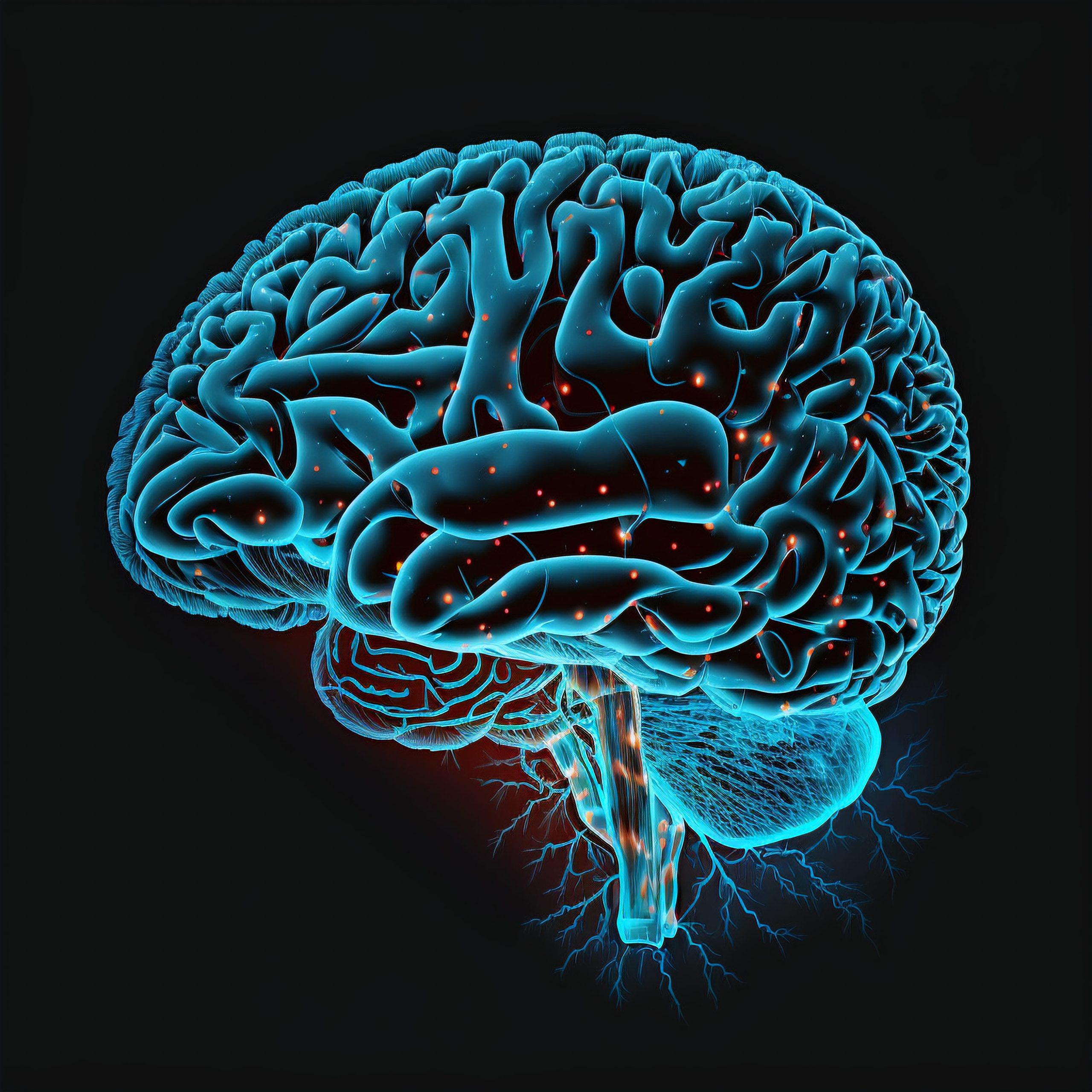
Motorcycle brain injuries are a form of traumatic brain injury (TBI) that occurs when a rider experiences a sudden impact to the head, often during a road traffic collision. These injuries can range from mild concussions to severe brain trauma, depending on the force of the impact and whether the rider was wearing protective gear.
According to numerous studies, motorcyclists are significantly more exposed to brain trauma than car drivers due to the lack of a physical barrier between their head and the road or surrounding objects.
Causes of Brain Injury in Motorcycle Accidents
Here are the most common factors that lead to head trauma in motorcycle crashes:
- Direct impact with the ground or a vehicle
- Sudden deceleration of the brain inside the skull
- Penetrating injuries from debris or sharp objects
- Secondary trauma, such as swelling or bleeding in the brain
We understand the serious nature of motorcycle-related head trauma, and our goal is to ensure that those affected receive not only immediate care but also long-term support.
Common Symptoms After a Motorcycle Brain Injury
Symptoms following a motorcycle brain injury can vary depending on the severity of the brain injury trauma, the area of the brain affected, and whether the injury is immediately identified. Some signs are obvious right after the crash, while others might not appear for days or weeks.
Recognising these symptoms early is essential for health and documenting the injury in any potential legal or medical support processes we may assist with.
Typical Signs of Brain Injury in Riders
Below are common symptoms that could suggest a brain injury after a motorcycle accident:
- Loss of consciousness
- Dizziness or balance problems
- Persistent headache
- Blurred vision
- Confusion or memory loss
- Mood swings or irritability
- Nausea or vomiting
- Fatigue or sleep disturbances
Severity | Possible Symptoms |
Mild TBI (Concussion) | Headache, confusion, temporary memory loss, nausea |
Moderate TBI | Slurred speech, prolonged confusion, trouble concentrating |
Severe TBI | Loss of consciousness, seizures, pupil dilation, coma |
We encourage all riders and their loved ones to seek immediate medical attention if any of these symptoms appear following a motorcycle accident, even if the crash seemed minor at the time.
Looking For More Brain Injury Resources?
How Helmets Reduce Risk
In the UK, helmets are legally required for all motorcycle riders and passengers, and for good reason. Helmets drastically reduce the risk of fatal and serious head injuries during road traffic collisions. According to UK Department for Transport data’s 2022 Annual Report, motorcycle riders account for around 20% of all road deaths despite making up just 1% of road traffic, and head injuries are the leading cause of death in these cases.
Wearing an approved helmet can significantly reduce the likelihood of traumatic brain injury, especially in high-speed or high-impact crashes.
The Role of Helmets in Brain Injury Prevention
Helmets protect the brain in several critical ways:
- Impact absorption: Helmets absorb and disperse the energy from a collision.
- Penetration resistance: Prevent debris or sharp objects from reaching the skull.
- Stabilisation: Helps prevent rotational forces that can cause brain shear injuries.
To be legal in the UK, helmets must meet one of the following standards:
- BS 6658:1985 (British Standard) with BSI Kitemark
- UNECE Regulation 22.05 or 22.06 (Europe-wide standard)
We consistently encourage motorcyclists to invest in properly certified helmets and to replace them after any impact. A small crack or dent may compromise their protective integrity; your brain is too important to take that risk.
Long-Term Impacts & Recovery Process
Motorcycle brain injuries can lead to a spectrum of long-term effects—some temporary, others permanent. These outcomes depend heavily on the severity of the injury, the part of the brain affected, and the speed of initial treatment. In the UK, survivors often require extended rehabilitation supported by the NHS and specialist care teams.
We often work with individuals and families navigating the aftermath of a brain injury. Recovery is rarely linear, and it may involve physical therapy, psychological support, and vocational retraining.
Common Long-Term Effects of Motorcycle Brain Injury
Some of the most reported long-term consequences include:
- Cognitive issues (memory, concentration, speech)
- Emotional and behavioural changes (mood swings, irritability, depression)
- Physical impairments (coordination problems, fatigue, chronic pain)
- Post-concussion syndrome (lingering symptoms after a mild TBI)
Rehabilitation can continue for months or years, and it is often multidisciplinary, involving neurologists, physiotherapists, occupational therapists, and psychologists.
Effect Type | Examples |
Cognitive | Forgetfulness, speech difficulties, and slow processing |
Emotional | Anxiety, frustration, impulsivity, depression |
Physical | Balance issues, fine motor skill loss, headaches |
Social | Reduced ability to work, changes in relationships, isolation |
We remain committed to helping individuals and families connect with the right support systems through rehabilitation guidance or access to long-term care planning. No one should face recovery alone.
Legal & Support Resources
Recovering from a motorcycle brain injury involves far more than medical care. It often includes navigating complex legal, financial, and support systems, which can be overwhelming, especially for families already coping with physical and emotional trauma.
At Brain Injury Group, we understand this challenge. That’s why we’ve built a nationwide directory of trusted professionals and services specifically to support individuals affected by acquired brain injuries.
Our network includes specialists in brain injury support, including legal experts, rehabilitation providers, case managers, therapists, and charities, all with specialist experience in brain injury.
How Brain Injury Group Can Help
Here’s how our support system is structured to help those recovering from motorcycle brain injuries:
- Legal Support: Access to specialist brain injury solicitors who can aid with claims and compensation.
- Rehabilitation Directory: Connection to brain injury neurorehabilitation providers for physical and cognitive therapy.
- Care and Case Management: Help coordinate treatment, care plans, and home adaptations.
- Financial Planning: Guidance on welfare benefits, trustees, and long-term money management.
- Community Services: Signposting to charities, peer groups, and mental health services.
All of our partners are pre-vetted to ensure holistic, high-quality care that reflects the complexity of each individual’s recovery journey.
We believe every person affected by brain injury deserves clear pathways to support, and our directory is here to make that easier. Whether you need legal advice, therapy, or financial guidance, we’re ready to connect you with the right people.
Related News & Articles