Farm Accidents and Brain Injury: What Agricultural Workers Need to Know
Speak With An Advisor
Our in-house team and network of trusted professionals will help every step of the way.
Speak With An Advisor
Our in-house team and network of trusted professionals will help every step of the way.
Farming may seem like a peaceful, quiet way of life, but it also involves busy working environments where safety is especially important. HSE has recognised agriculture, forestry and fishing as one of the leading sectors where fatal work injuries take place. During periods such as harvest season, the combination of machinery, vehicles and long working hours can increase the risk of accidents, including head and brain injuries.
From farming equipment to unpredictable livestock, agricultural settings have many hazards that workers encounter as a part of day-to-day life. The right health and safety precautions should be put in place to help prevent accidents from taking place as much as possible.
A brain injury caused by a farm accident can affect far more than the working day, with consequences for a person’s health, family life and livelihood. Somebody’s needs may dramatically change after the event, which could require many kinds of support beyond immediate medical intervention.
Causes of brain injury in agricultural environments
Even the most experienced of farmers can fall victim to a head or brain injury because of the range of potential hazards in an agricultural environment.
Possible causes of head or brain injury in particular include:
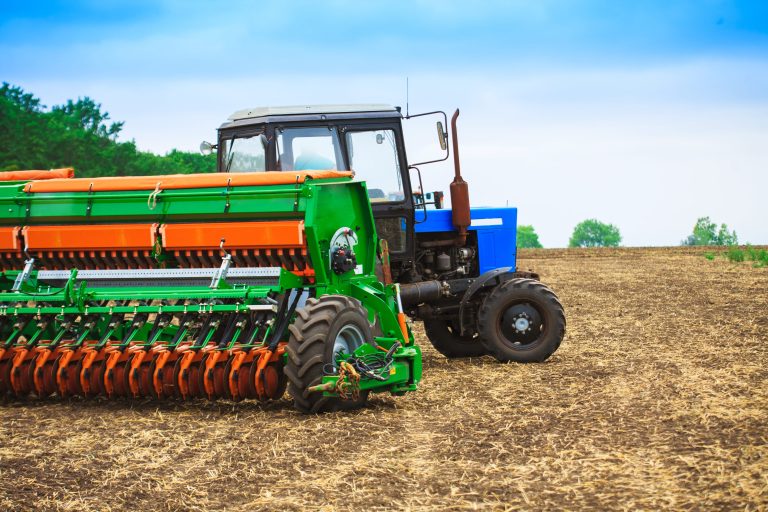
- Vehicle injuries involving diggers, forklift trucks, combine harvesters, quad bikes or tractors;
- Falls from a height, e.g. ladders or unstable rooves;
- Incidents with livestock, such as kicks from cattle or horse head injury;
- Injuries involving agricultural machinery, especially heavy rotating or processing machinery like PTO shafts, balers and augers and conveyers;
- Slurry tank accidents;
- Grain silo accidents;
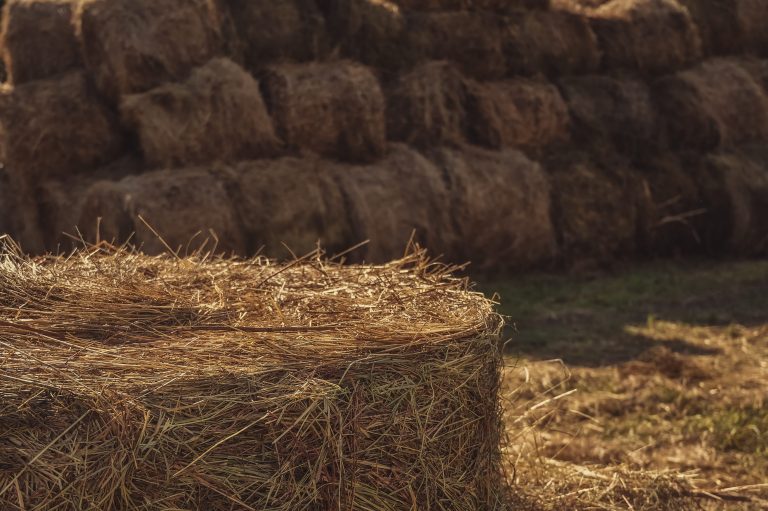
- Crush injuries from falling objects, such as hay bales;
- Electrocution from power lines;
- Injuries from defective or unregulated equipment.
The rise of mechanisation and the increase in self-employed farmers over the last few years mean that more vigilance is needed when it comes to making an environment safer and managing these hazards.
Making sure that health and safety is optimal in agricultural settings is the best way to keep farmworkers, relatives or any visitors safe. HSE outlines the standards for best practice in agricultural environments here, including everything from child supervision to how best to manage cattle.
Examples of brain injury in agricultural environments
There is a range of traumatic brain injuries that can take place in agricultural settings. They can either be isolated injuries or part of a polytraumatic injury that affects multiple parts of the body. Types of possible brain injuries include:
- Open and closed skull fractures
- Brain contusions & bruising
- Penetrating brain injuries
- Severe lacerations
- Cerebral hypoxia/asyphxia
- Diffuse axonal injury (DAI)
- Intracranial heamorrhage
- Concussion
Brain injuries can range from relatively mild to severe, and symptoms may not always be immediately apparent. Early medical assessment is important, as prompt diagnosis and treatment can play a key role in recovery and help reduce the risk of further complications.
Farming PPE and reducing the risk of brain injury
Like construction sites, another way to reduce the risk of head and brain injury is to have the correct PPE for the relevant agricultural responsibilities. For example, a safety helmet may be suitable around machinery, loading areas or construction work, while an approved riding hat should be worn when handling or riding horses.
Something that isn’t talked about enough is that wearing the correct PPE isn’t always enough of a measure. PPE should fit properly, provide the right coverage, and be in good condition. Some key signs that PPE should be replaced include cracks, tears, holes, thinning material, straps that no longer fit or gear that slips out of position.
It’s always worth the extra trip out or spending a bit of money on some new protective gear if you’re doubting the effectiveness of your current equipment.
Alongside regular checks on PPE, if an agricultural accident does happen, the equipment involved may need to be replaced – even if there is no visible damage.
Agricultural accidents: precautions for lone farmers
The rise of self-employed farmers has caused a spike in lone working. Lone working can make the consequences of a farm accident more serious because there may be nobody nearby to notice symptoms, raise the alarm or prevent an injured person from continuing to use machinery.
For higher-risk tasks, practical precautions may include agreeing check-in times, sharing the planned work location and making sure a charged phone or other means of communication is within reach.
The brain injury farmers are more likely to ignore
Compared with visibly obvious farm injuries like skull fractures, concussion and other clinically ‘mild’ brain injuries can be easy to overlook. Some agricultural workers might not even realise that they’re experiencing a concussion and could simply carry on with their day’s work.
Whether it be from a slip along icy ground or an accident involving livestock, a concussion can have serious physical, cognitive and emotional effects – especially if the impact happens more than once. If it is caused (partly or wholly) by somebody else, you might also be eligible for farm accident concussion injury compensation.
Crucially, you don’t have to lose consciousness for a concussion to take place, and symptoms don’t always show immediately – they could take up to 48 hours to emerge. You can read about concussion myths and what concussion symptoms to look out for.
Rehabilitation and returning to agricultural work
For many, farming is a way of life, not just a profession. Some agricultural workers who have suffered a brain injury might be eager to return to it soon, especially as farming is an around-the-clock operation. There are animals to consistently care for, seasonal crops to manage and the pressure of getting a good year’s yield.
However, after an agricultural accident, there are some crucial things to remember for those who are keen and able to start farming again:
You must be medically cleared
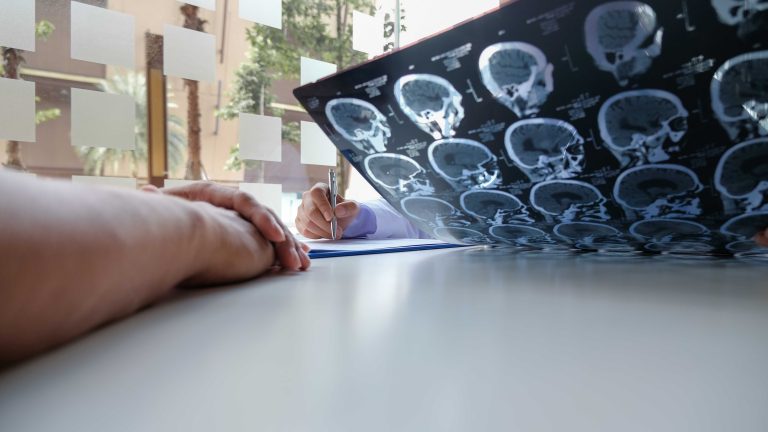
Brain injuries are complex in nature and often require in-depth medical evaluation to determine if it is time to return to work yet. This might take longer than you think, and evaluations could also change depending on the nature of the injury. Waiting until you are medically cleared is important to ensure that you are as ready as possible for the unique physical and cognitive demands of work.
Rehabilitation plan
Particularly in more serious cases, having a structured rehabilitation plan in place before returning to farm work can be an important part of recovery. Farming often involves physically demanding tasks, long hours and potentially hazardous environments, all of which can place additional strain on someone recovering from a brain injury.
Cognitive effects
Although agricultural work is very physical, it also requires concentration, memory and mental energy to carry out laborious tasks. Mental endurance is especially key for longer days on duty, which can be a regular part of a farmer’s routine. Staying aware of one’s own cognitive state (including levels of fatigue) can help farmers work out their limits to better manage their injury and prevent further accidents.
Reasonable adjustments
Where possible, reasonable adjustments can help significantly with managing a head or brain injury. This may include reducing work hours, focusing on less laborious farm tasks and/or taking regular rest breaks. Returning to previous responsibilities is often a key recovery goal, but it is important that this happens at a pace that reflects the person’s needs and abilities.
Legal support after an agricultural brain injury
As part of planning for the future after a brain injury sustained while farming, some people may be able to explore a farm accident claim. Securing a settlement can help to fund rehabilitation and care costs, make up for loss of earnings and support themselves in the short or long term.
Every farm accident is different, and whether a claim is possible will depend on the specific situation. Brain Injury Group partners with specialist brain injury solicitors who can potentially help you investigate what happened, identify any potential breaches in health and safety and advise on the options available.
Agricultural brain injury claims: a legal case study
To give an example, a farm worker may be injured by a falling hay bale because it was stored or stacked incorrectly, going against established health and safety guidance. In another scenario, a worker could sustain a brain injury after being asked to use unsafe machinery, defective equipment or vehicles that had not been properly maintained.
In cases such as these, responsibility would likely rest with the farm owner, employer or another party responsible for maintaining a safe working environment. Therefore, a farm accident brain injury claim would probably be possible.
Further support after a farming brain injury
For farmers affected by a brain injury, the impact reaches far beyond the accident itself. Recovery can bring new challenges at home, at work and in everyday life, which is why having the right support around you is so important.
Alongside seeking medical attention from professionals, it can be helpful to access specialist support to better understand the challenges ahead of a farm injury and the options available.
We offer help in the following areas to support you or a loved one in the aftermath of a brain injury:
- Care navigation – Referrals to experienced case managers and care teams after a brain injury
- Education and resources – Information guides, helpful training and awareness initiatives
- Emotional support – Advice on how to handle the emotional effects of brain injury
- Education and employment support – Advice around going back to work or returning to education after a brain injury
- Legal advice and support – Access to brain injury specialist solicitors
If you’d like guidance or simply a conversation, you can speak to one of our expert advisors today.
Related News & Articles




Speak With An Advisor
Our in-house team and network of trusted professionals will help every step of the way.
