A Defining Moment for Maternity Safety, and Why It Matters to the Brain Injury Group

This week’s announcement of a rapid national investigation into NHS maternity and neonatal services marks a long-overdue step forward in the fight for safer, more compassionate care for mothers, babies, and families.
SEND Review & Proposed EHCP Changes – What It Means for Young People with Brain Injury

This spring, the government unveiled a major SEND Review, targeting long-standing legal frameworks, particularly Education, Health and Care Plans (EHCPs). With over 576,000 children holding EHCPs – an increase of 140% since 2015, the system is under immense financial strain, with councils projecting a collective deficit approaching £5 billion by 2026.
Breakthrough For Brain Injury – Robert’s Story

When Robert, a pseudonym, experienced a traumatic workplace injury, everything shifted abruptly. He was taken to intensive care with intricate traumatic brain injury medical requirements, and initially, the priority was purely on survival. After he became medically stable, his family confronted a new reality filled with questions, uncertainties, and pressing choices. It was an unexpected moment for which no one could have prepared.
Hypoglycaemia After a Traumatic Brain Injury

Hypoglycaemia is a condition where blood sugar levels drop below what the body needs to function properly. It typically occurs when blood glucose falls below 4.0 mmol/L (millimoles per litre), although the individual thresholds may vary slightly. Hypoglycaemia is often linked to diabetes, but it can affect anyone under specific conditions.
Motorcycle Brain Injuries | Recovery & Rehabilitation Support

Motorcycle brain injuries are a form of traumatic brain injury (TBI) that occurs when a rider experiences a sudden impact to the head, often during a road traffic collision. These injuries can range from mild concussions to severe brain trauma, depending on the force of the impact and whether the rider was wearing protective gear.
According to numerous studies, motorcyclists are significantly more exposed to brain trauma than car drivers due to the lack of a physical barrier between their head and the road or surrounding objects.
Sepsis Following a TBI & Medical Negligence Claims
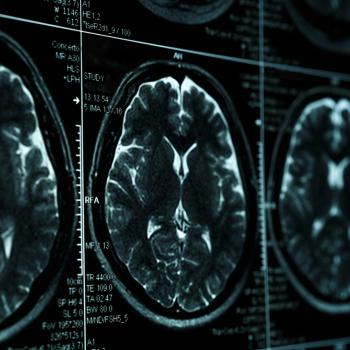
Sepsis is a life-threatening condition, and individuals with a traumatic brain injury (TBI) are particularly vulnerable due to weakened immune responses, prolonged hospital stays, and the risk of infection from surgical procedures or medical devices. When healthcare professionals fail to diagnose or treat sepsis in TBI patients promptly, the consequences can be severe—leading to long-term complications, further neurological damage, or even death.
Caring for Families with Children Impacted by a Brain Injury

At Brain Injury Group, we are committed to providing practical, compassionate support to families of children with brain injuries. Navigating the challenges of healthcare, education, and legal matters can be overwhelming, and our goal is to ensure that no family faces this journey alone.
Mr Paul Grundy Joins Brain Injury Group as Their Head of Clinical Services
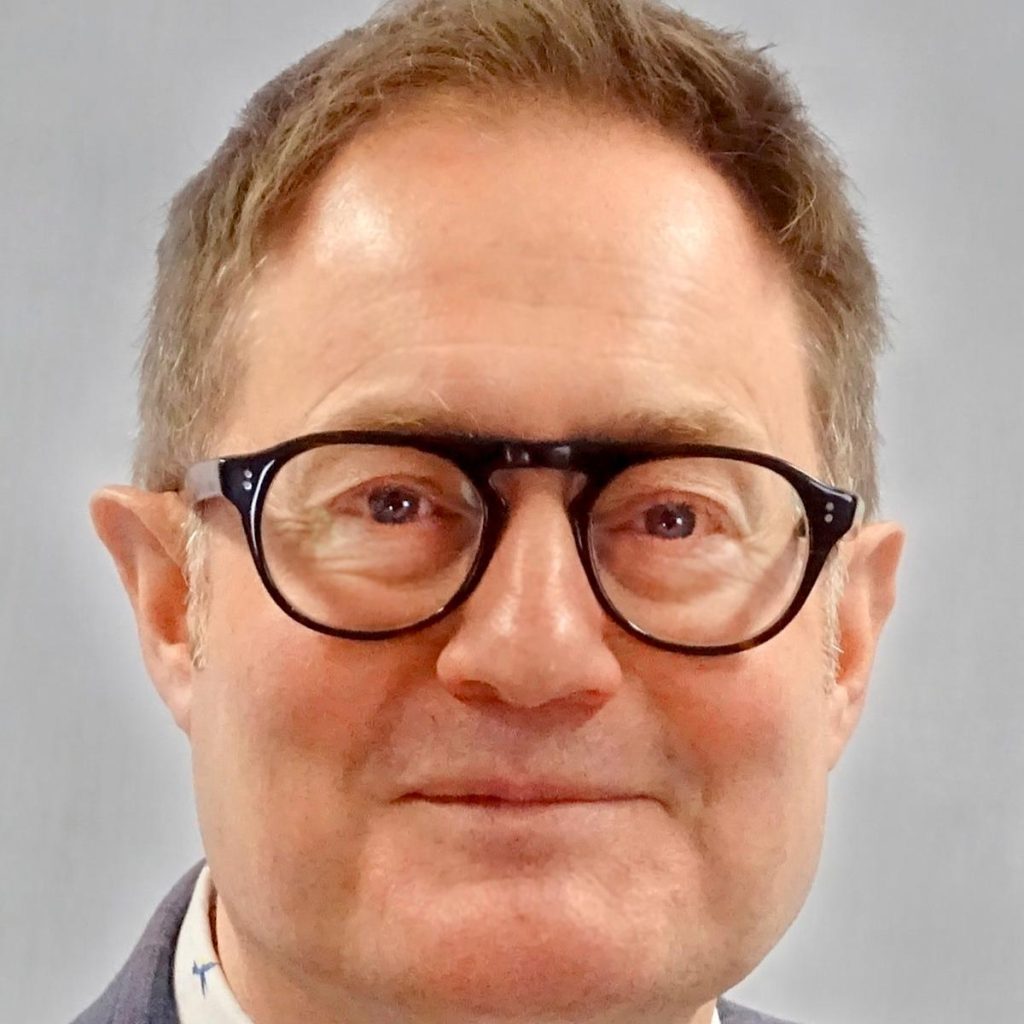
The Brain Injury Group is proud to announce the appointment of Mr Paul Grundy as its Head of Clinical Services. With nearly 20 years of experience as a neurosurgeon, Mr Grundy brings a wealth of expertise and accolades to the team, including being honoured as the UK’s Clinical Leader of the Year in 2012 and being listed among the top 100 medical leaders in the UK in 2013.
Siblings of Brain Injured Child – Case Study
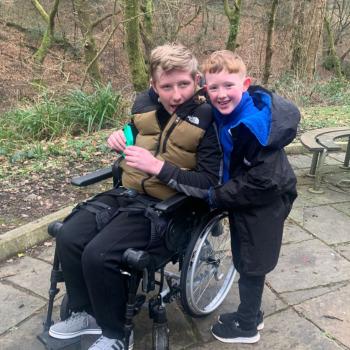
Siblings of children with brain injuries often face unique and complex challenges. While a lot of parents’, and caregivers’ attention is (rightfully) focused on the child with the injury, the experience of their siblings can sometimes go unnoticed. This case study explores these dynamics, highlighting lived the experiences of Louis, who’s 7 years old, and Deej, a 12-year-old,—two siblings of children with additional needs—to help emphasise their struggles and highlight practical ways to offer support.
Case Study – Housing and Capacity Support Post-Stroke

Peter approached the Brain Injury Group on behalf of his mother, Tabitha, during a very challenging time. Tabitha had recently suffered a stroke, which resulted in her admission to the Royal Hospital for Neuro-disability (RHN). This life-altering event raised concerns about her ability to make important decisions regarding her housing and utilities, which are essential to her independence.
